
US restrictions on foreign-made advanced robots are prompting Samsung and LG to reorganise their supply chains, complicating their efforts to compete in the growing domestic robot vacuum market amid Chinese dominance.
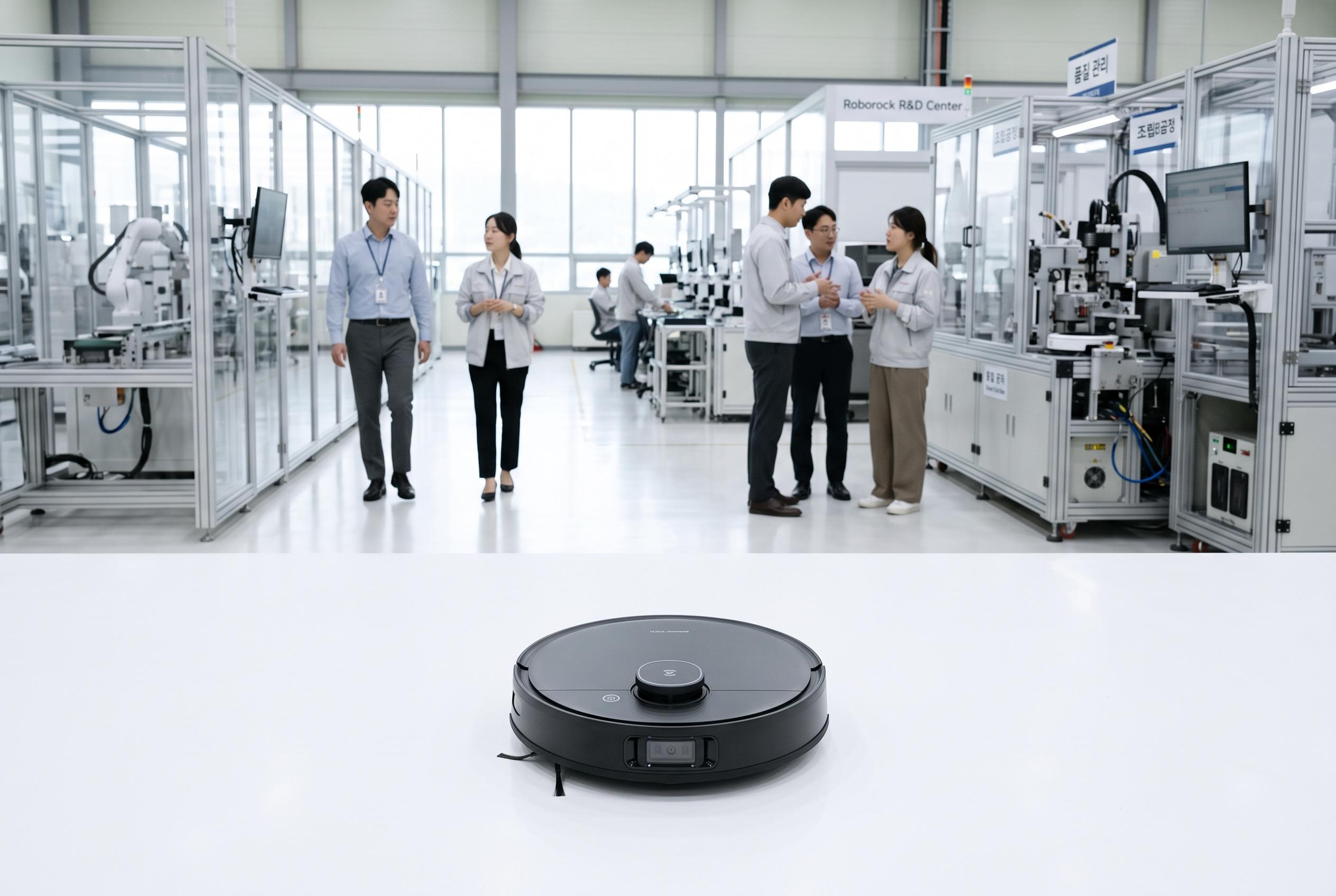
US restrictions on foreign-made advanced robots have created an unexpected problem for Samsung Electronics and LG Electronics, whose robot vacuum plans have increasingly relied on Chinese manufacturing. According to the Korea-based report from Ajunews, the Federal Communications Commission has added certain overseas-produced robotic devices to its security-covered list, a move that effectively blocks new models from receiving approval for the US market. The measure is aimed at national security, but its reach is defined by where a product is made rather than by the nationality of the company behind it.
The FCC’s rule, as summarised by MacRumors and legal analyses from US law firms, applies to ground-moving robots that weigh more than 4.4 pounds, use environmental sensors, support two-way communications of at least 200 kbps and include autonomous AI or machine-learning software. Existing products already authorised for sale are exempt, but new models made outside the US cannot be imported, marketed or sold unless they obtain a separate, conditional approval process involving the Department of Defense. That makes the policy especially significant for robot vacuums, which commonly fit the technical thresholds.
For Samsung, the immediate consequence appears to be a delay in the overseas rollout of its 2026 Bespoke AI Steam model. LG faces a more complicated adjustment. Ajunews reports that the company had organised its 2026 line-up around a Chinese ecosystem manufacturing strategy, with premium models assigned to PICEA and mid- to lower-tier products to SilverStar. That approach was designed to reduce costs and speed development, but the new US rules may turn those supply-chain advantages into a liability for American sales.
The timing is awkward because both companies have been gaining traction at home. Ajunews reported that Samsung’s Bespoke AI Steam sold more than 50,000 units in June, while LG’s HomeBot AI Objet Collection RONi, launched on July 2, outperformed earlier LG launches by roughly threefold over the same period. In South Korea, GfK data points to a robot vacuum market that could expand from about 430 billion won in 2023 to more than 1 trillion won this year. Globally, however, Chinese brands remain dominant, with Roborock, Ecovacs and Dreame among the leading names. The new US regime may now force Korean manufacturers to separate American supply chains from their China-based production networks, a change that could be difficult to execute quickly.
Disclaimer: This content is intended for informational purposes only. Readers are advised to exercise their own judgement, conduct due diligence, or consult a qualified expert before acting on any information provided.