
India’s parliament has passed a sweeping tax bill aimed at revitalising manufacturing, attracting foreign investment, and transforming its digital payments landscape, with significant implications for global supply chains and domestic economic growth.
India’s parliament has approved a wide-ranging tax bill designed to reshape incentives for manufacturing, foreign investment and digital payments, with the clearest commercial signal aimed at electronics production. According to ClearIAS, the Taxation and Other Laws (Amendment) Bill, 2026 was passed in the Lok Sabha on 6 August 2026 and amends the Income-tax Act, 2025, the Finance Act, 2026 and the Payment and Settlement Systems Act, 2007.
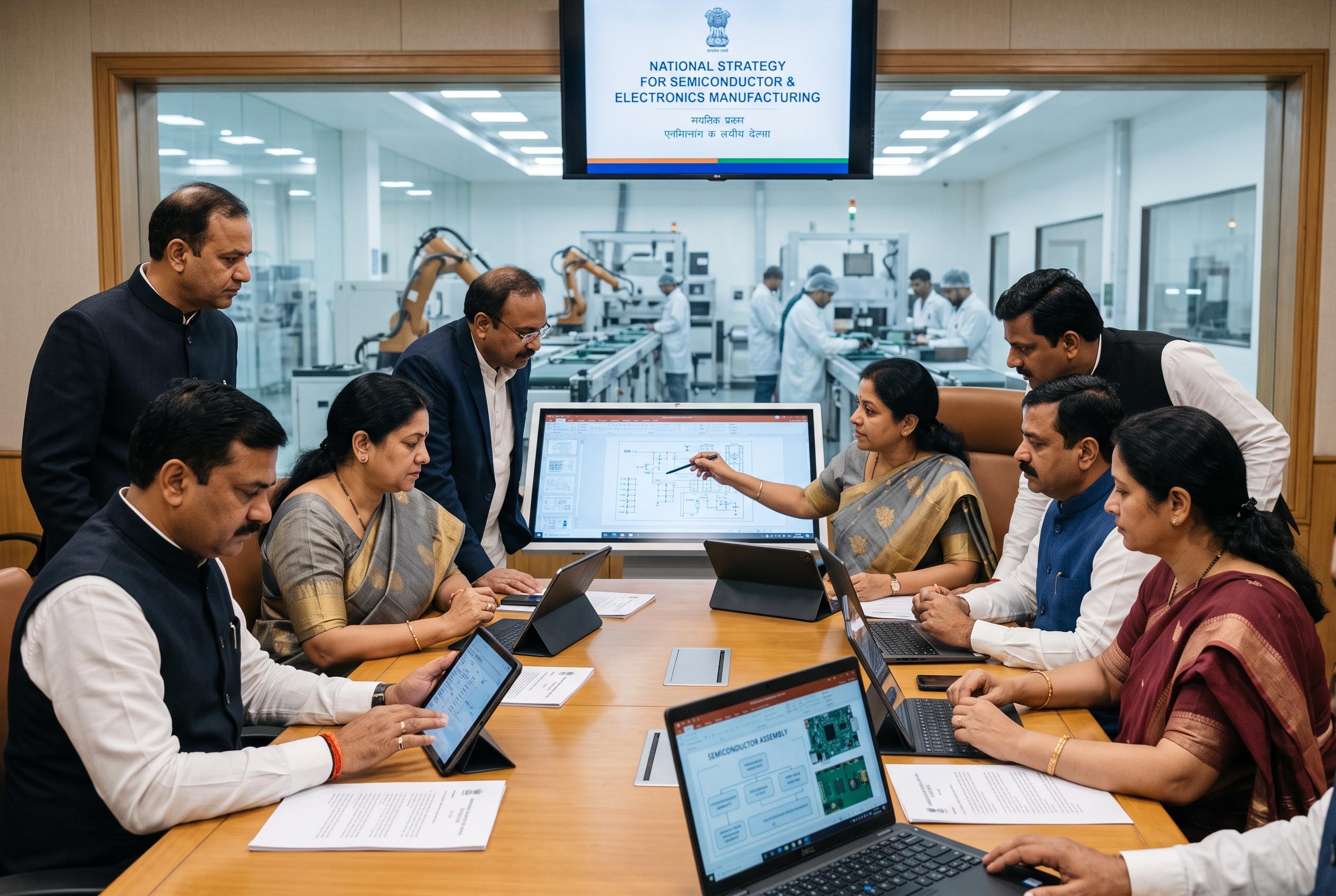
The most significant manufacturing measure extends tax relief for foreign companies supplying capital goods or using Indian factories for electronics contract manufacturing. ClearIAS says the revised provisions explicitly cover products such as mobile phones, laptops, servers and wearables and lengthen the incentive period by a further 10 years, taking it to 2040-41. The aim is to deepen India’s role in global electronics supply chains, but the bill also reflects a familiar policy risk: tax breaks can lift assembly activity without necessarily building domestic component ecosystems, technology transfer or sustained jobs.
The legislation also broadens tax exemptions for specific activities in the electronics and diamond sectors, including the sale of rough diamonds and the storage of electronic components in customs-bonded warehouses. In financial markets, it proposes income-tax relief for foreign institutional investors and the Bank for International Settlements on certain interest income and capital gains from government securities. That could make Indian sovereign debt more attractive and improve market depth, although it also raises questions about foregone revenue and whether the gains in liquidity will outweigh the fiscal cost.
Another notable change is aimed at foreign fund managers. The bill seeks to make relocation to India easier without automatically making the offshore funds they manage taxable simply because the management base moves. It keeps anti-abuse protections in place to curb round-tripping, tax avoidance and artificial structures. The same balancing act appears in the data-centre and cloud provisions, where the bill is meant to ease tax hurdles for foreign operators and allow Indian data centres to function on a leased basis rather than requiring direct ownership. That could lower entry barriers and support India’s digital infrastructure build-out, but it also heightens the importance of data protection, cybersecurity and resilience for critical systems.
For ordinary users, the most sensitive proposal concerns UPI. The bill would amend the payment law to allow the central government to authorise banks and payment providers to levy charges on UPI and other notified digital payment systems, potentially ending the zero-MDR regime that has applied since 2020. MDR, or merchant discount rate, is the fee charged for processing a digital payment. Supporters argue that a fee structure may be needed as transaction volumes surge and infrastructure costs rise. Critics say even modest charges could hit small merchants and lower-income users, undermining the low-cost model that helped UPI scale. The larger question is whether India can keep the system financially sustainable without weakening adoption, inclusion or trust.
Disclaimer: This content is intended for informational purposes only. Readers are advised to exercise their own judgement, conduct due diligence, or consult a qualified expert before acting on any information provided.