
Despite a sharp correction in Micron and SanDisk shares, sustained demand from AI infrastructure and production delays are set to keep memory prices buoyant, offering opportunities for investors amidst a market pause.
Micron Technology and SanDisk have both given back a large part of this year’s gains, but the sell-off may be more a pause than a verdict. The companies were among the market’s strongest memory plays early in 2026, yet their shares are now sharply below their peaks. Even so, the basic supply-and-demand picture still favours the sector, with tight availability of NAND and DRAM keeping pricing firm.
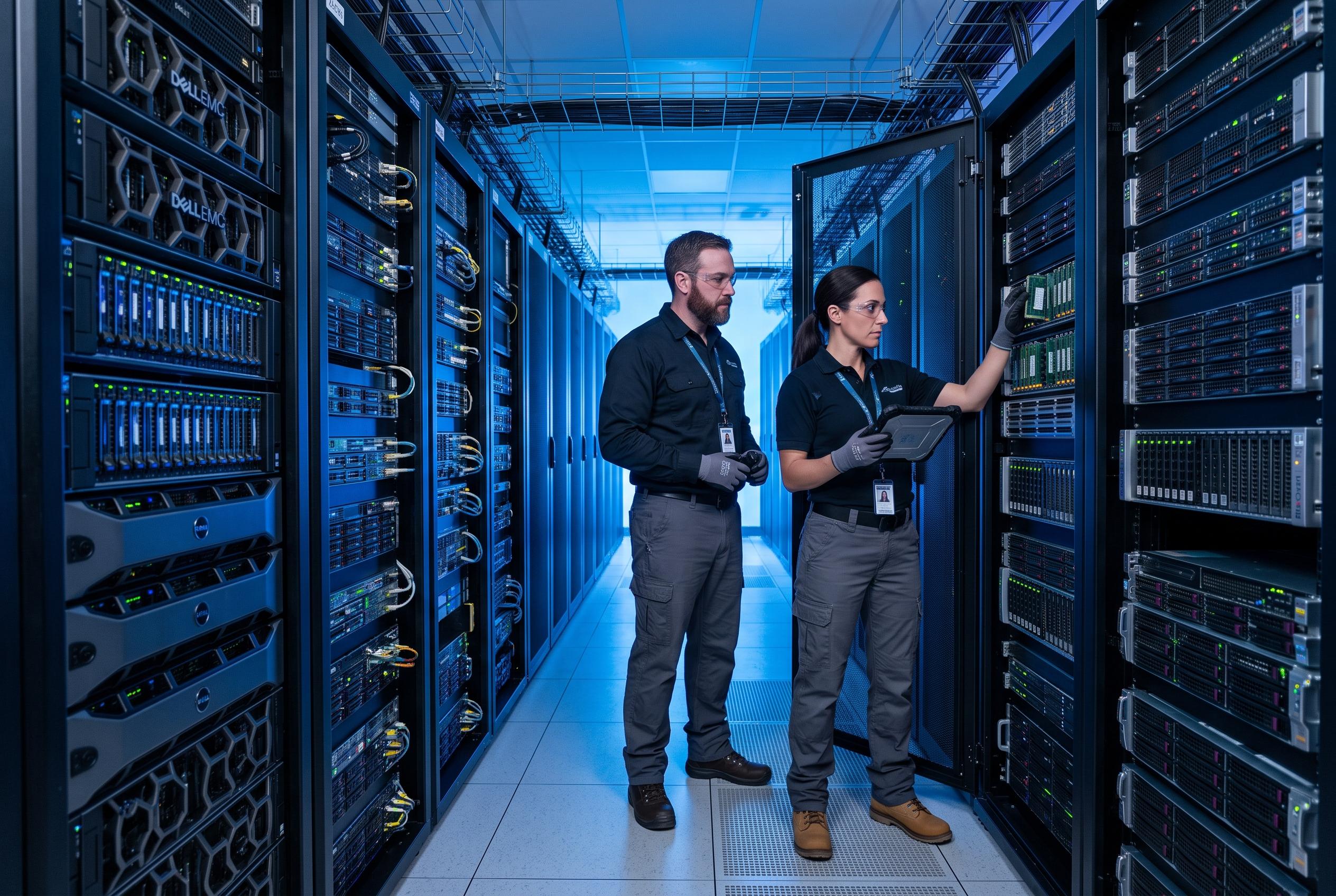
The key force behind the strength is the artificial intelligence build-out. According to the lead report, memory chips are in short supply because AI data centres are absorbing much of the industry’s output. Amazon has already lifted its 2026 capital spending guidance, with memory costs cited as a factor, while Alphabet has also increased spending. Elon Musk has similarly pointed to memory shortages, arguing that industry capacity is growing far more slowly than demand. That mismatch, if it persists, leaves room for further price increases.
SanDisk’s recent performance underlines how quickly the market can revalue a memory supplier when demand tightens. Tom’s Hardware reported that the company’s shares have surged more than 1,500% in less than a year, helped by stronger demand from AI data centres, enterprise buyers and consumer customers. The company’s profits have also risen sharply, and it is preparing next-generation 3D NAND products through its joint venture with Kioxia. The same report said SanDisk is even considering higher pricing for enterprise SSDs, a sign of how much leverage suppliers may now have.
Micron’s position looks similar, if less dramatic. Axios reported in June that analysts had raised expectations for the company as AI demand pushed forecasts higher, even as the stock became volatile before earnings. The broader case for both names is that new manufacturing capacity takes time to come online, with the lead article noting that some of the planned facilities will not be ready until 2027 or 2028. That delay could keep the market tight for longer than investors currently expect. If that proves correct, the recent weakness may offer an entry point rather than a warning.
Disclaimer: This content is intended for informational purposes only. Readers are advised to exercise their own judgement, conduct due diligence, or consult a qualified expert before acting on any information provided.