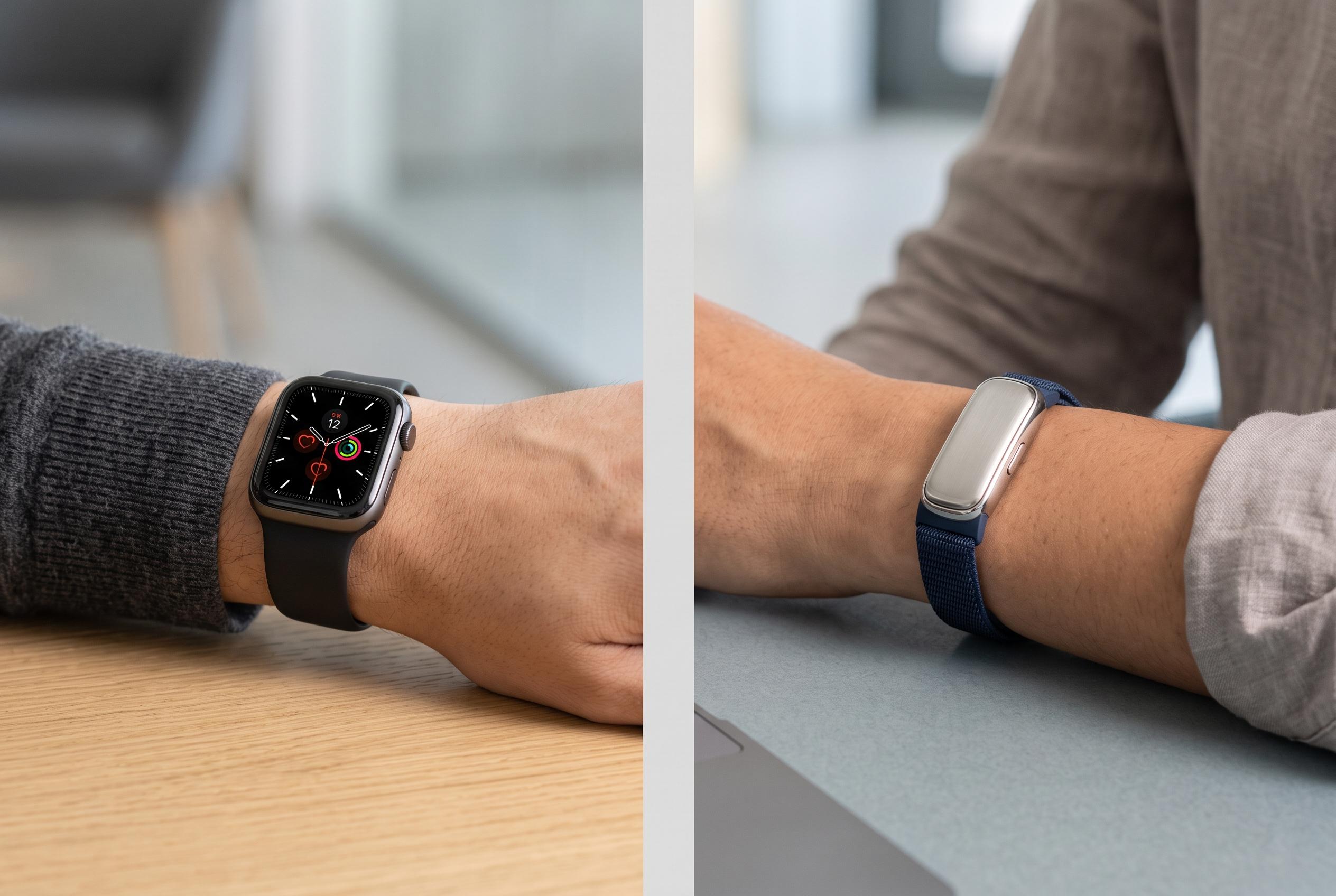

Global wearable shipments declined in the second quarter of 2026, with the market splitting into high-end sports watches and innovative screenless trackers, highlighting a shift in consumer preferences and manufacturing strategies.
Global wearable shipments slipped in the second quarter of 2026, but the market is moving in two clear directions, according to Omdia: premium sports watches on one side and screenless trackers on the other. The research firm said total wearable band shipments fell 2 per cent year on year, even as smartwatch volumes rose 6 per cent on stronger demand for models built around training data, battery life and performance tracking.
That split is putting pressure on the middle of the market. Omdia said basic band shipments dropped 9 per cent, in part because manufacturers shifted launch schedules and extended product lifecycles. Basic watches were also down 3 per cent, with weaker demand in India offsetting earlier strength. Omdia research director Jason Low said the category is separating into consumers who want discreet devices for continuous wear and those prepared to pay for more advanced watches with more precise measurements.
Apple remained the dominant smartwatch maker, taking 46 per cent of global shipments in the quarter. Garmin was one of the clearest gainers outside Apple, lifting its share to 15 per cent and drawing close to Samsung, which held second place. Omdia said Garmin’s momentum has been supported by runners, cyclists and outdoor users who want more detailed training information, while the wider Forerunner line has helped bring its sports watches to a broader audience.
Across the wider wearable band market, Huawei led with an 18 per cent share, up from 17 per cent a year earlier. Omdia research manager Cynthia Chen said Huawei has benefited from devices that work across smartphone platforms, while its health and fitness features have become more central to its proposition. The company also gained from a broader product line, including the international launch of a children’s smartwatch.
Screenless trackers are emerging as a category in their own right. Omdia said they accounted for more than 15 per cent of basic band shipments, helped by devices such as Google’s Fitbit Air and Garmin’s Cirqa. The firm said Fitbit Air shipments rose quickly after launch, but added that makers will need to improve reliability and extend useful functions if these products are to challenge established rivals such as Whoop. Higher memory and storage costs may also push up average selling prices, making it harder for manufacturers to rely on price alone as the market becomes more dependent on ecosystem integration, personalised AI and battery life.
Disclaimer: This content is intended for informational purposes only. Readers are advised to exercise their own judgement, conduct due diligence, or consult a qualified expert before acting on any information provided.